
Call us now :08045477019
 Send Inquiry
 Send Inquiry
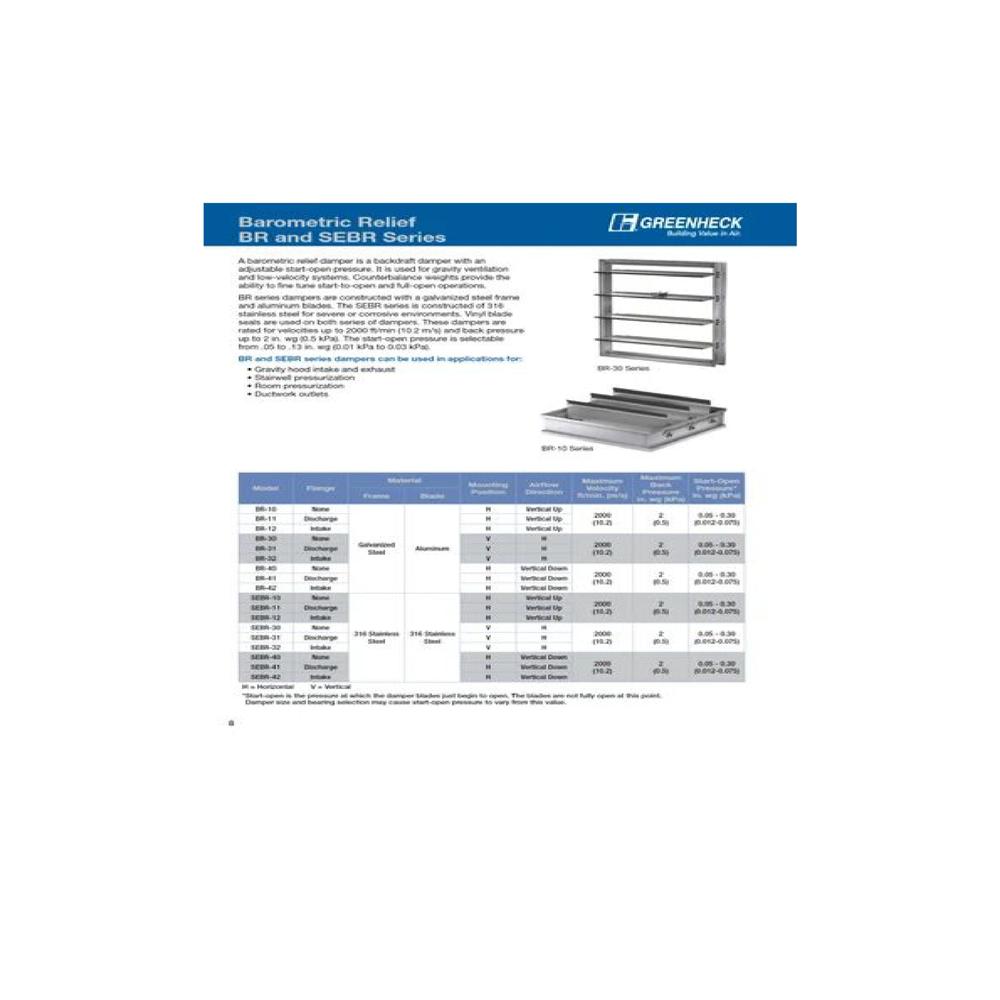
Pressure Relief Damper
Price 20000.0 INR/ Piece
MOQ : 1 Piece
Pressure Relief Damper Specification
- Dimension (L*W*H)
- Custom/Varies by model
- Function
- Allows air outflow when pressure exceeds preset value, prevents reverse flow
- Material
- Aluminum / Galvanized Steel
- Product Type
- Pressure Relief Damper
- Use
- Prevents backdraft, Maintains pressure differential
- Properties
- Automatic Pressure Relief, Non-return, Barometric Relief Capability
- Suitable For
- Ductwork, Exhaust Systems, Building Ventilation
- Humidity Range
- Suitable for typical HVAC humidity conditions
- Application
- HVAC System, Ventilation, Industrial Air Control
- Weight
- Varies as per size
- Shape
- Rectangular
- Height
- Custom as per requirement
- Accuracy
- High operational reliability
- Temperature Range
- Typically 0C to 60C (32F to 140F)
- Treatment Type
- Corrosion-resistant finish
- Power
- Non-powered/Mechanical
- Automation Grade
- Manual/Passive
- Color Code
- Metallic Silver
- Power Source
- Not required (Passive Unit)
- Design Usage
- Commercial and industrial air systems
- Leakage Control
- Low leakage design
- Operation Pressure Range
- Set at factory per application
- Compliance
- Meets industry HVAC standards
- Louver Type
- Horizontal blades
- Blade Action
- Free-swinging, Gravity/Barometric operated
- Model Availability
- Multiple sizes and configurations
- Mounting
- Wall or duct mount
- Operating Principle
- Relies on differential air pressure
- Finish
- Mill finish or epoxy coat options
- Maintenance
- Low maintenance requirements
Pressure Relief Damper Trade Information
- Minimum Order Quantity
- 1 Piece
- Delivery Time
- 7 Days
About Pressure Relief Damper
Benaka Pressure Relief Dampers are designed to manage and control airflow and pressure within HVAC systems, particularly in environments where precise air management is crucial, such as cleanrooms, laboratories, and industrial facilities. These dampers help maintain optimal conditions by relieving excess pressure and ensuring proper ventilation. Heres a detailed overview of their features and benefits:
Features:
1. Pressure Regulation:
- Automatic Adjustment: Automatically adjusts to maintain desired pressure levels within the system, preventing pressure imbalances that could impact system performance or safety.
- Variable Pressure Settings: Can be set to various pressure levels based on specific requirements of the facility or application.
2. High-Quality Construction:
- Durable Materials: Made from high-quality materials such as aluminum, stainless steel, or galvanized steel, ensuring long-term durability and resistance to corrosion.
- Seamless Operation: Designed for smooth and reliable operation under varying pressure conditions.
- Accurate Control: Engineered for precise control of airflow and pressure, contributing to optimal performance of the HVAC system.
- Low Leakage: Designed to minimize air leakage, ensuring efficient operation and energy savings.
5. Safety Features:
- Overpressure Protection: Protects the HVAC system from damage due to excessive pressure by diverting or releasing excess airflow.
- Fail-Safe Operation: Equipped with fail-safe mechanisms to ensure continued operation and pressure relief in case of system failures.
- Versatile Applications: Suitable for a wide range of applications, including cleanrooms, laboratories, data centers, and industrial environments.
- System Integration: Can be integrated with various types of HVAC systems and control systems for enhanced functionality.
1. Enhanced System Performance:
- Maintains optimal pressure levels, which helps ensure the efficient operation of the HVAC system and improves overall performance.
- Properly manages airflow to prevent issues such as pressure imbalances, which can affect system efficiency and comfort.
- By maintaining consistent pressure and minimizing leakage, pressure relief dampers help reduce energy consumption and operational costs.
- Ensures that air is distributed evenly, contributing to a more efficient and energy-saving HVAC system.
4. Cost-Effectiveness: Reduced Maintenance Costs, Efficient Operation
5. Adaptability: Flexible Integration, Adjustable Settings
6. Reliability:
- Consistent Operation: Designed for reliable and consistent operation, ensuring that pressure relief and airflow management are maintained under varying conditions.
- Quality Construction: Built to withstand harsh conditions and provide long-lasting performance.
Automatic Pressure Relief Efficiency
This damper is engineered for seamless pressure relief in demanding HVAC environments. Its horizontal, free-swinging blades respond instantly to changes in air pressure, allowing excess air to escape while preventing reverse airflow. Thanks to its precision low-leakage design, it enhances air quality control and energy efficiency in commercial and industrial settings.
Customizable and Durable Construction
Manufactured from high-grade aluminum or galvanized steel and treated for corrosion resistance, the damper is available in numerous sizes and configurations, permitting tailored solutions for different projects. The mill finish or optional epoxy coat ensures the product stands up to the rigors of continuous operation in variable temperature and humidity conditions.
FAQ's of Pressure Relief Damper:
Q: How does a pressure relief damper with louver type horizontal blades operate?
A: The damper functions using free-swinging, horizontal blades that are gravity or barometrically operated. When the internal air pressure in a duct or room exceeds the factory-set threshold, the blades automatically open, allowing air to escape and preventing backdraft or reverse airflow.Q: What are the benefits of using a low-leakage, non-powered pressure relief damper?
A: These dampers maintain optimal pressure differentials and prevent unwanted air infiltration without requiring electrical power. Their low-leakage design minimizes air loss, improving energy efficiency and reducing operational costs over time.Q: When is it appropriate to install this type of pressure relief damper?
A: This damper is ideal for use in commercial and industrial air systems where backdraft prevention and pressure control are necessary, such as ductwork, building ventilation, and exhaust systems. It is especially useful in scenarios requiring automatic, maintenance-free pressure regulation.Q: Where can these dampers be mounted?
A: The pressure relief damper can be installed in either wall or duct applications, making it a versatile solution for a range of HVAC and ventilation projects that demand passive, reliable airflow control.Q: What is the maintenance process and typical upkeep required for this unit?
A: Designed for low maintenance, the damper features sturdy materials and a corrosion-resistant finish. Regular inspection for debris build-up and smooth blade operation is generally sufficient to ensure longevity and high reliability.Q: How does the selection process work for sizing and configuring the damper?
A: Dampers are available in multiple sizes and configurations, with dimensions and pressure settings customized at the factory according to your application's specific airflow and pressure requirements. Consult with the supplier to determine the appropriate model for your system.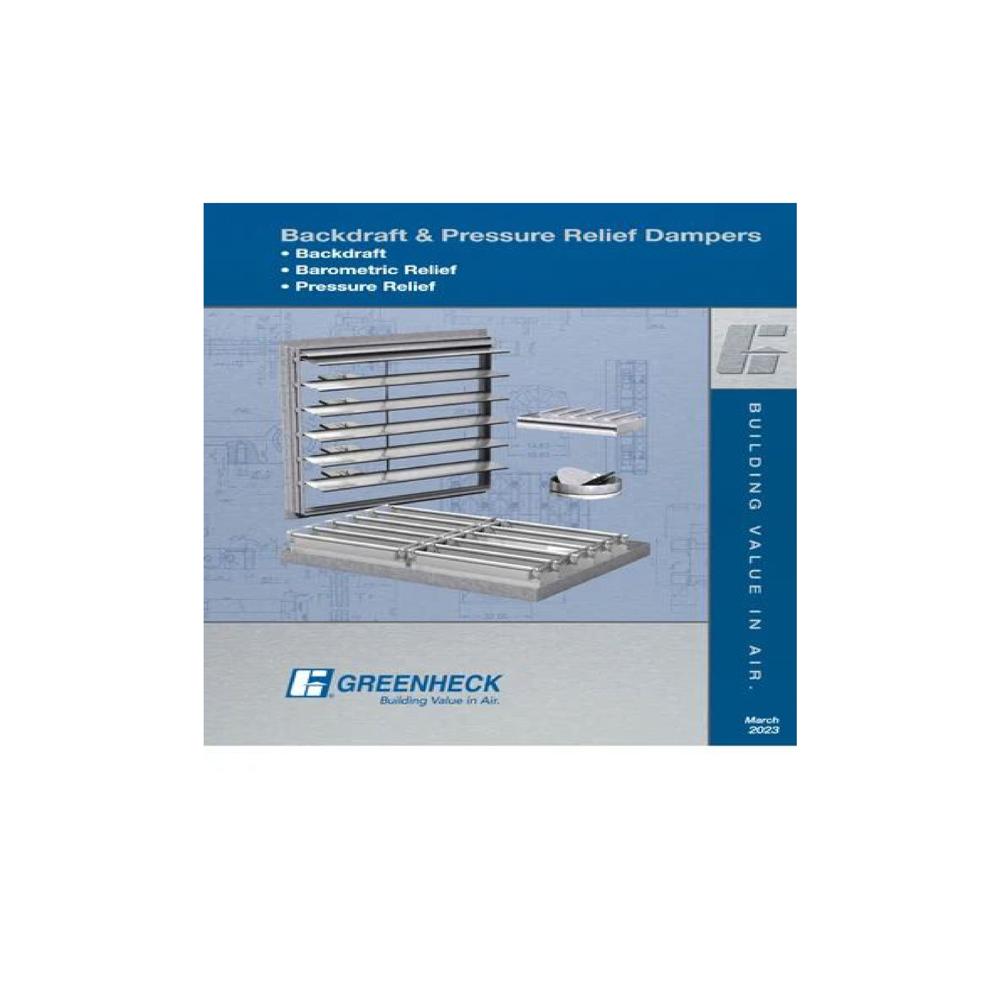
Tell us about your requirement

Price:
Quantity
Select Unit
- 50
- 100
- 200
- 250
- 500
- 1000+
Additional detail
Mobile number
Email

More Products in Modular Operation Theater Category
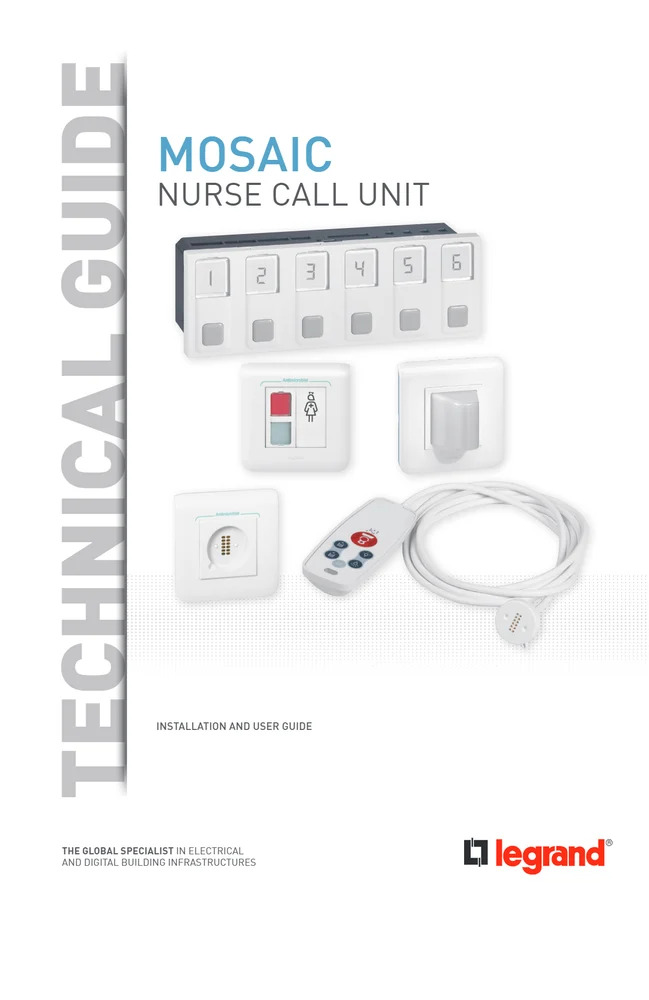
Nurse Call System
Price 1000.0 INR / Piece
Minimum Order Quantity : 10 Pieces
Function : Enables communication, emergency alerts, room/bed identification
Dimension (L*W*H) : Modular unit sizes (please refer to datasheet for exact dimensions)
Product Type : Nurse Call System
Suitable For : Medical wards, patient rooms, healthcare environments
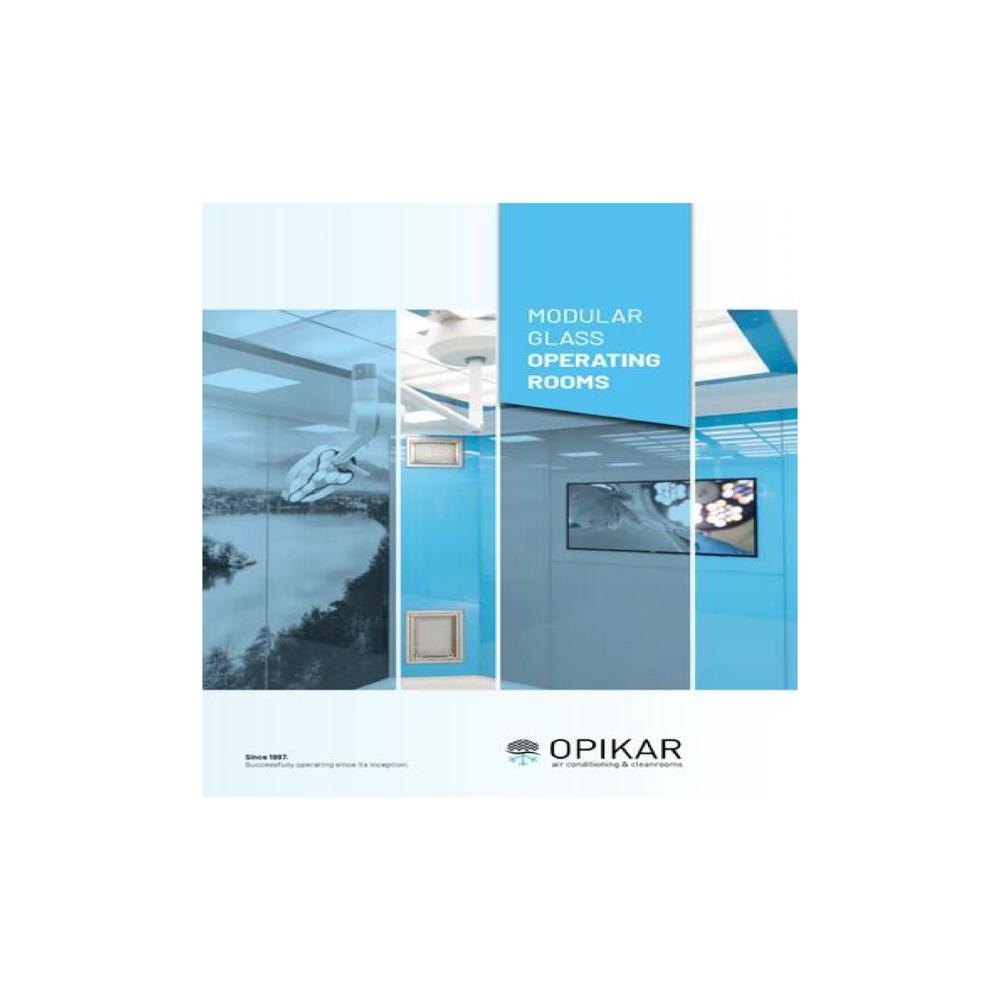
Modular Operation Theatre Modular Ot
Price 200000.0 INR / Piece
Minimum Order Quantity : 1 Piece
Function : Provides sterile, controlled environment for surgical procedures
Dimension (L*W*H) : Customizable as per hospital/institution requirements
Product Type : Modular Operation Theatre (Modular OT)
Suitable For : General Surgery, Cardiac, Orthopaedic, Neurology, and Multispecialty Hospitals
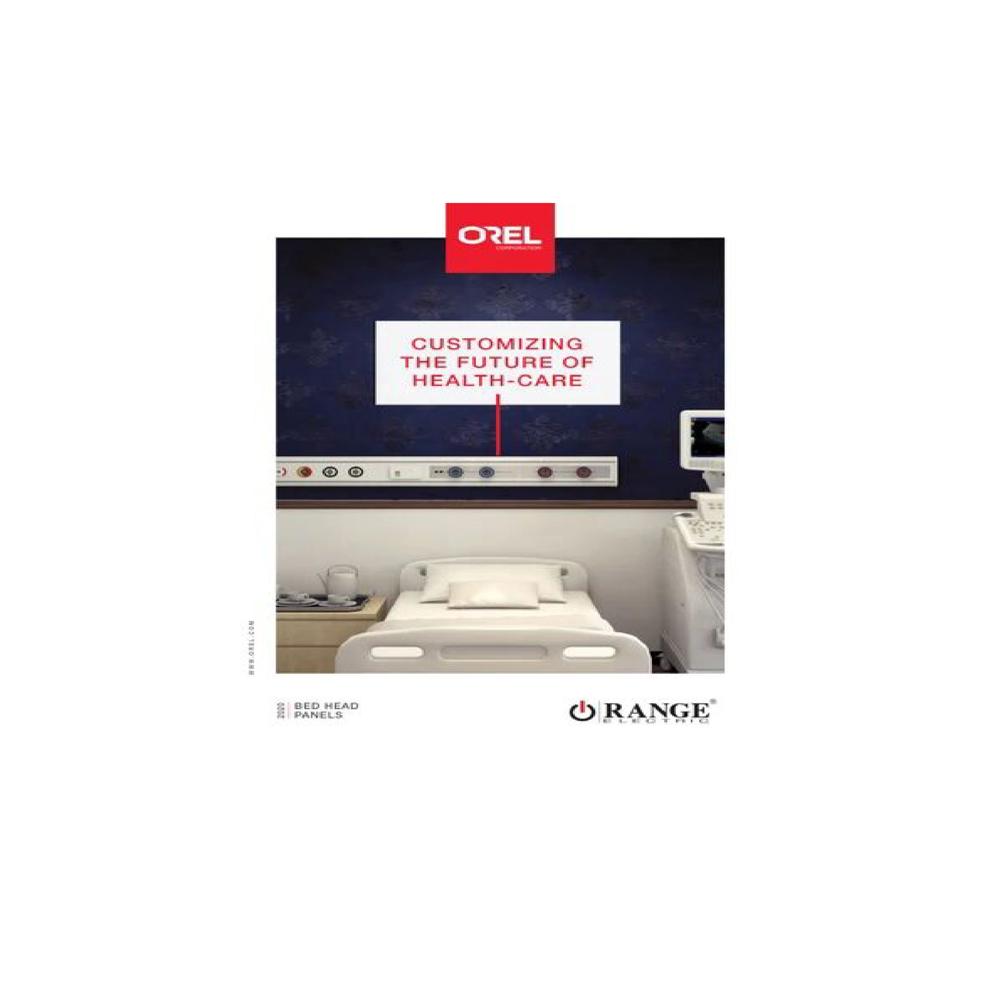
Hospital Bed Head Panels
Price 100 INR / Foot
Minimum Order Quantity : 100 Feet
Function : Supports Medical Gas, Power & Communication Distribution
Dimension (L*W*H) : 1200mm x 300mm x 90mm (custom sizes available)
Product Type : Hospital Bed Head Panel
Suitable For : Single & Multiple Bed Installations
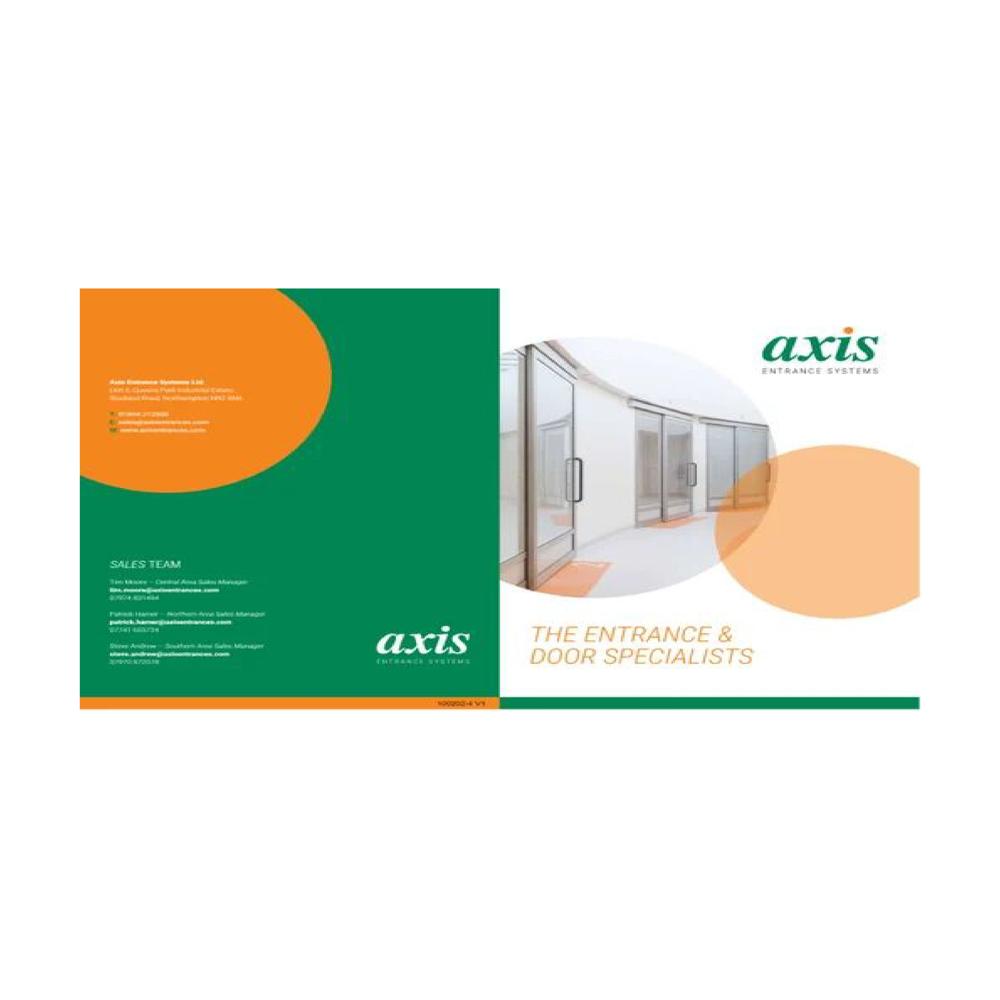
Hospital Sliding Door
Price 20000.0 INR / Piece
Minimum Order Quantity : 1 Piece
Function : Provides automated entrance and improved clinical hygiene
Dimension (L*W*H) : Custom sizes available
Product Type : Hospital Sliding Door
Suitable For : Operation rooms, ICU, diagnostics labs, wards, clean rooms

 Send Inquiry
Our Products
- Ultrasound Machine
- Home Healthcare Services
- ICU Ventilator
- Digital X Ray System
- ECG and Holter Monitor
- CT Scanner
- Anesthesia Workstation
- ICU Products
- C-Arm Machine
- Patient Monitor
- Cath Lab Machine
- Benaka Industrial Equipments
- MRI Scanner
- Ambulance Ventilator
- Lab Diagnostic Product
- AED And Defibrillator
- Hospital Furniture
- Hyperbaric Oxygen Therapy Chamber
- Cardiology Products
- Dialysis Machine
- Hospital Management Software
- Gynecology Products
- Ophthalmology Equipment
- Ambulance Fabrication Service
- Laparoscopic Camera
- Hospital Turnkey Projects
- Hospital Interior Design Services
- Modular Operation Theater
- Cold Room Turnkey Project
- Veterinary Hospital Equipment
- SS Fabrication Work
- Medical Gas Management
- Clean Room Solutions

B No. 36, 6th Cross, 10th Main, 4th Phase, BSK 3rd Stage, Bengaluru - 560085, Karnataka, India

Mr D C Chetan
(Founder & C.E.O.)
Mobile :08045477019
 Send Inquiry
 Send SMS
 Call Me Free
Developed and Managed by Infocom Network Private Limited.


