
Call us now :08045477019
 Send Inquiry
 Send Inquiry
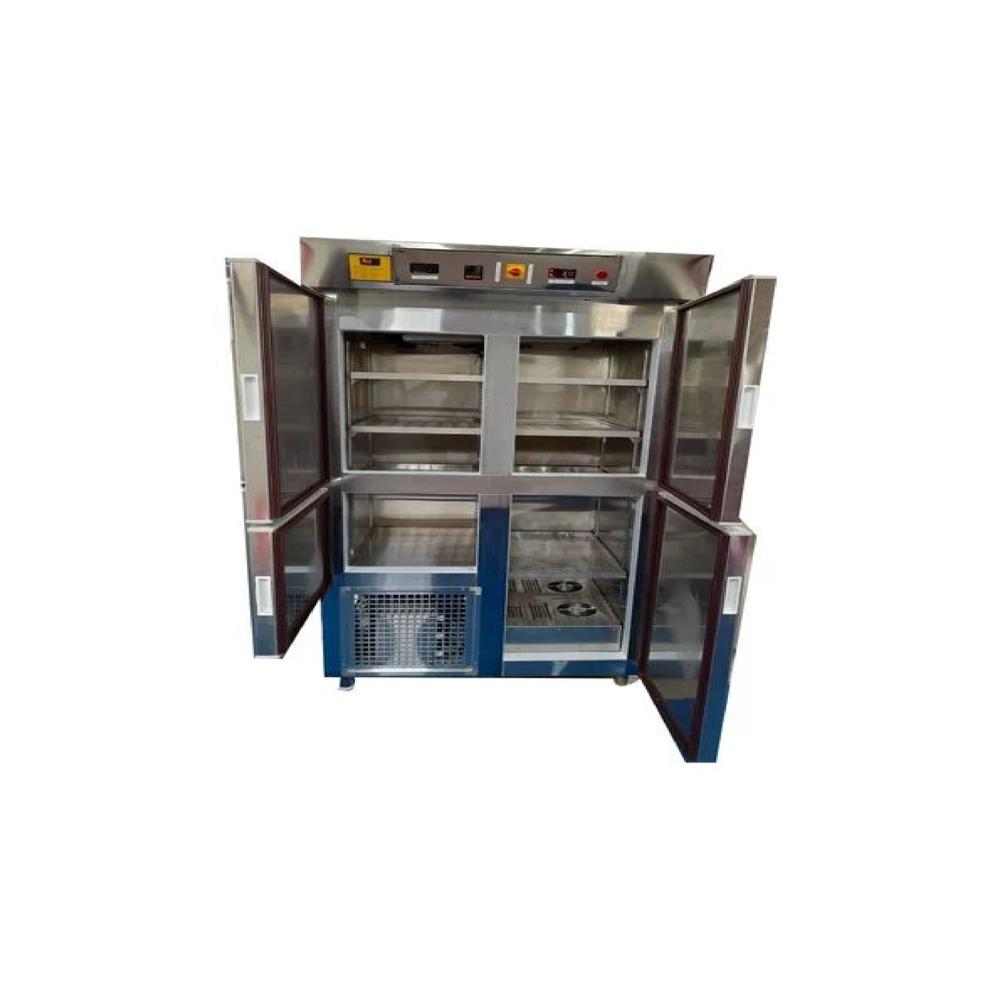
Blast Freezing Systems
Price 20000.0 INR/ Square Meter
MOQ : 1 Square Meter
Blast Freezing Systems Specification
- Insulation Thickness
- 100-150 mm PUF panels
- Cooling Medium
- Ammonia or Freon
- Temperature Range
- -35C to -45C
- Freezing Capacity
- 500 kg to 10,000 kg per batch
- Door Type
- Heavy-duty insulated swing/sliding door
- Construction Material
- Stainless steel inner and outer panels
- Compressor Type
- Screw or Reciprocating
- Controller Type
- Digital temperature controller with auto defrost
- Applications
- Seafood, Meat, Poultry, Bakery, Fruits & Vegetables
- Power Supply
- 380-440V, 3 Phase, 50 Hz
- Air Flow System
- High velocity forced air circulation
About Blast Freezing Systems
Benaka Healthcare Blast Freezing Systems
At Benaka Healthcare we provide highperformance Blast Freezing Systems designed for food processing seafood meat poultry and frozen product industries Our systems enable rapid freezing preserving taste texture nutritional value and product quality while reducing ice crystal formation and maintaining freshness
Our blast freezers help businesses increase production efficiency minimize postharvest losses and ensure compliance with food safety and cold chain standards
Why Choose Benaka Blast Freezing Systems
Rapid Freezing Technology Quickly freezes products to preserve quality and prevent microbial growth
Uniform Freezing Advanced air circulation ensures consistent freezing across all items
EnergyEfficient Design Optimized refrigeration systems reduce energy consumption
High Capacity Options Suitable for small medium and largescale production facilities
Hygienic Safe Compliant with FSSAI HACCP and international food safety standards
Digital Monitoring Control Realtime monitoring of temperature and freezing parameters
Durable Reliable Sturdy construction for continuous industrial use
Customizable Layouts Configurations designed to match your facilitys workflow
Low Maintenance Easytoservice systems for minimal downtime
Expert Consultation Guidance on equipment selection workflow optimization and integration with cold chain systems
Get Started Today
Ensure your frozen products maintain maximum freshness and quality with Benaka Blast Freezing Systemstrusted for speed precision and operational efficiency
Benaka Healthcare Freezing quality preserving freshness
Superior Rapid Freezing Performance
These blast freezing systems deliver exceptional freezing speed and consistency with their high-velocity forced air circulation. Engineered to reach temperatures as low as -45C, they ensure that products retain freshness, texture, and nutritional value, which is vital for seafood, meat, poultry, bakery, and produce industries.
Energy Efficient and Durable Design
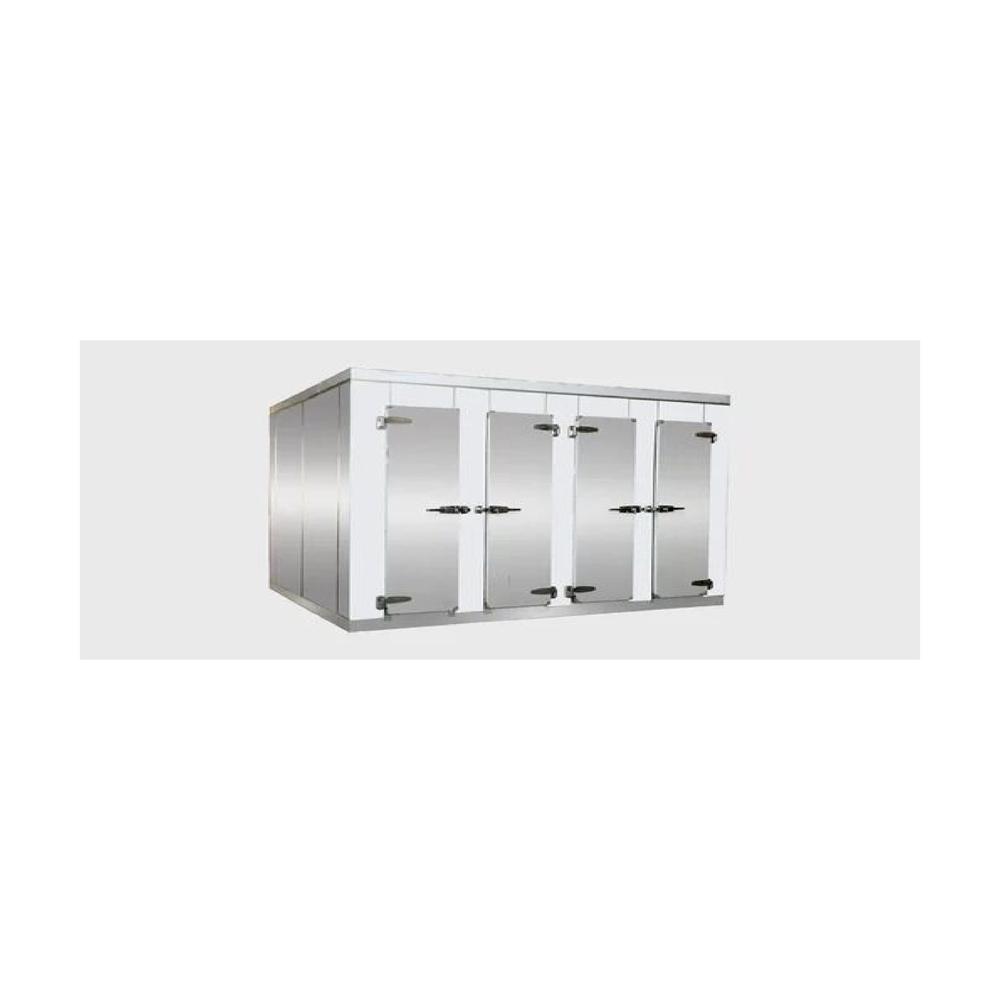
The use of 100-150 mm polyurethane foam (PUF) panel insulation and stainless steel panels reduces energy loss and improves durability. Heavy-duty, insulated swing or sliding doors ensure a tight seal, contributing to overall efficiency and ease of operation in demanding environments.
Smart Control and Flexible Usage
Each system includes a digital temperature controller with automatic defrost, simplifying operation and maintenance. The flexibility to use ammonia or freon as the cooling medium allows adaptation to user preferences. These systems are suitable for industrial facilities, food processing plants, and commercial kitchens needing high-capacity freezing.
FAQ's of Blast Freezing Systems:
Q: How does the blast freezing process work in these systems?
A: Blast freezing utilizes high-velocity forced air circulation to rapidly lower the temperature of products to as low as -45C. This quick freezing process preserves product texture, taste, and nutritional content by preventing the formation of large ice crystals.Q: What products can be frozen using this blast freezing system?
A: Our systems are suitable for a range of food products, including seafood, meat, poultry, bakery items, and fruits & vegetables. They are versatile enough to handle different shapes, sizes, and packaging types.Q: Where can these blast freezing systems be installed?
A: These systems can be installed in food processing plants, cold storage facilities, and commercial kitchens. With compact and modular construction, they can be customized to fit new or existing production areas across India.Q: When is it advisable to use a blast freezer instead of conventional freezing methods?
A: Blast freezers should be used when rapid temperature reduction is critical for maintaining product quality, especially for perishable items like seafood, meat, and bakery products that require uniform freezing without compromising their characteristics.Q: What are the main benefits of using ammonia or freon as cooling mediums?
A: Ammonia offers high thermodynamic efficiency and is environmentally friendly, while freon is easier to handle and maintain. Both options allow users to choose the most suitable refrigerant based on their operational requirements and safety regulations.Q: How is temperature control and defrosting managed in these systems?
A: The integrated digital temperature controller provides accurate monitoring and adjustment, while automatic defrost ensures consistent operation by preventing excessive ice build-up on the evaporator coils.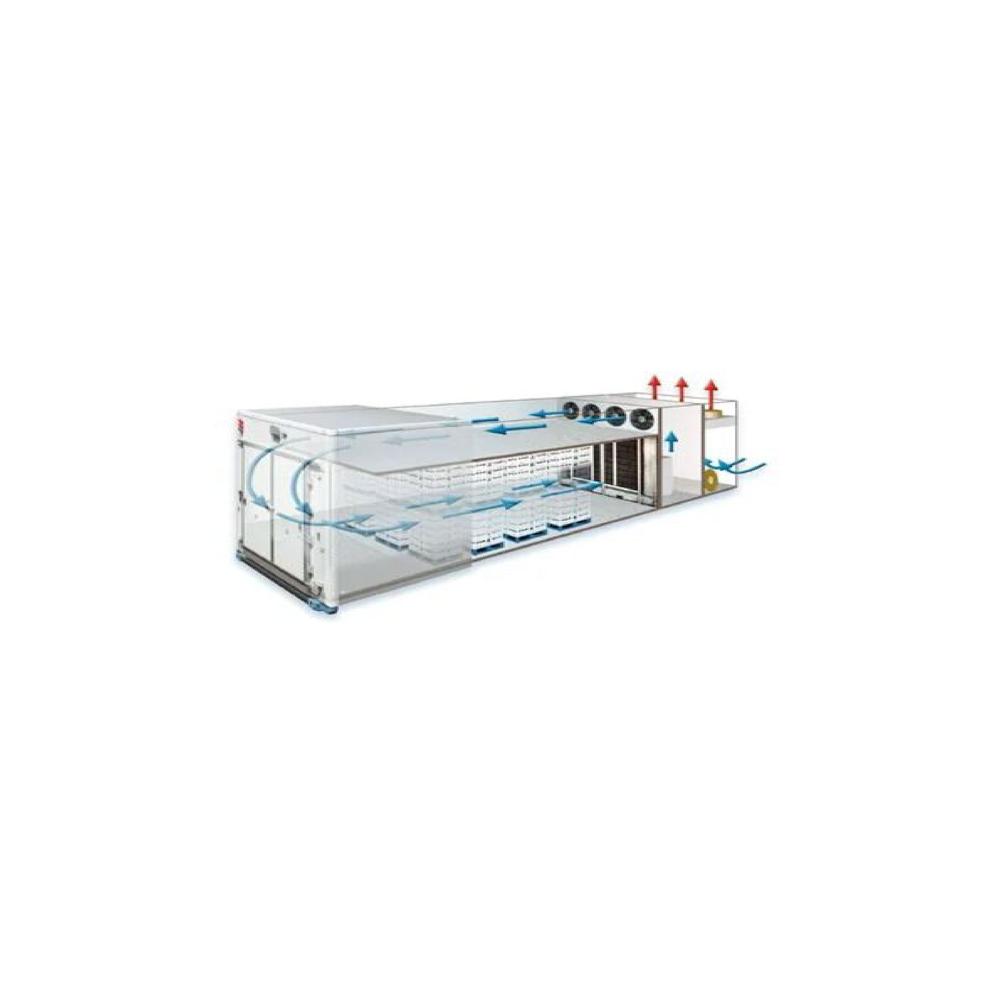
Tell us about your requirement

Price:
Quantity
Select Unit
- 50
- 100
- 200
- 250
- 500
- 1000+
Additional detail
Mobile number
Email

More Products in Cold Room Turnkey Project Category
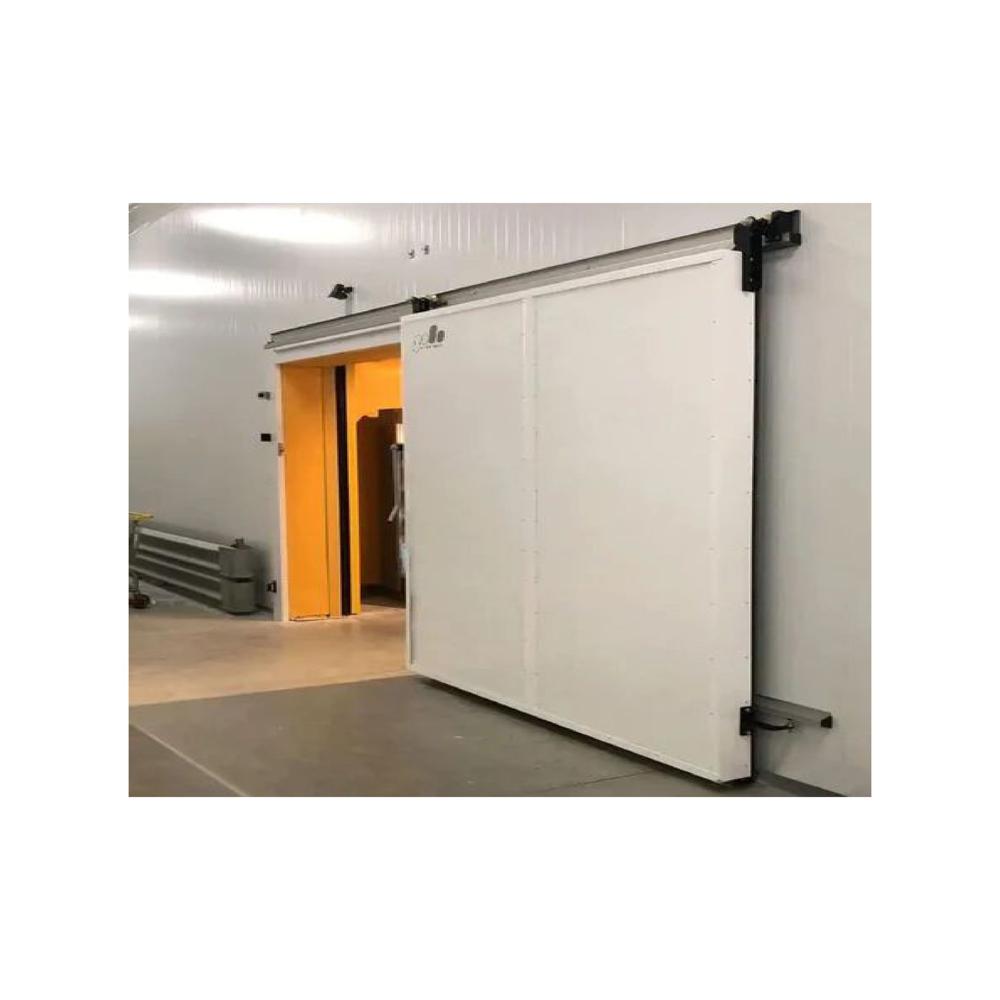
Puf Insulated Cold Room Sliding Door
Price 10000.0 INR / Square Meter
Minimum Order Quantity : 1 Square Meter

 Send Inquiry
Our Products
- Ultrasound Machine
- Home Healthcare Services
- ICU Ventilator
- Digital X Ray System
- ECG and Holter Monitor
- CT Scanner
- Anesthesia Workstation
- ICU Products
- C-Arm Machine
- Patient Monitor
- Cath Lab Machine
- Benaka Industrial Equipments
- MRI Scanner
- Ambulance Ventilator
- Lab Diagnostic Product
- AED And Defibrillator
- Hospital Furniture
- Hyperbaric Oxygen Therapy Chamber
- Cardiology Products
- Dialysis Machine
- Hospital Management Software
- Gynecology Products
- Ophthalmology Equipment
- Ambulance Fabrication Service
- Laparoscopic Camera
- Hospital Turnkey Projects
- Hospital Interior Design Services
- Modular Operation Theater
- Cold Room Turnkey Project
- Veterinary Hospital Equipment
- SS Fabrication Work
- Medical Gas Management
- Clean Room Solutions

B No. 36, 6th Cross, 10th Main, 4th Phase, BSK 3rd Stage, Bengaluru - 560085, Karnataka, India

Mr D C Chetan
(Founder & C.E.O.)
Mobile :08045477019
 Send Inquiry
 Send SMS
Developed and Managed by Infocom Network Private Limited.


